Statement by the President of the Armwrestling Federation of Africa (AFA) on International Women's Day
Theme: Empowering the African Woman through the Strength of Armwrestling


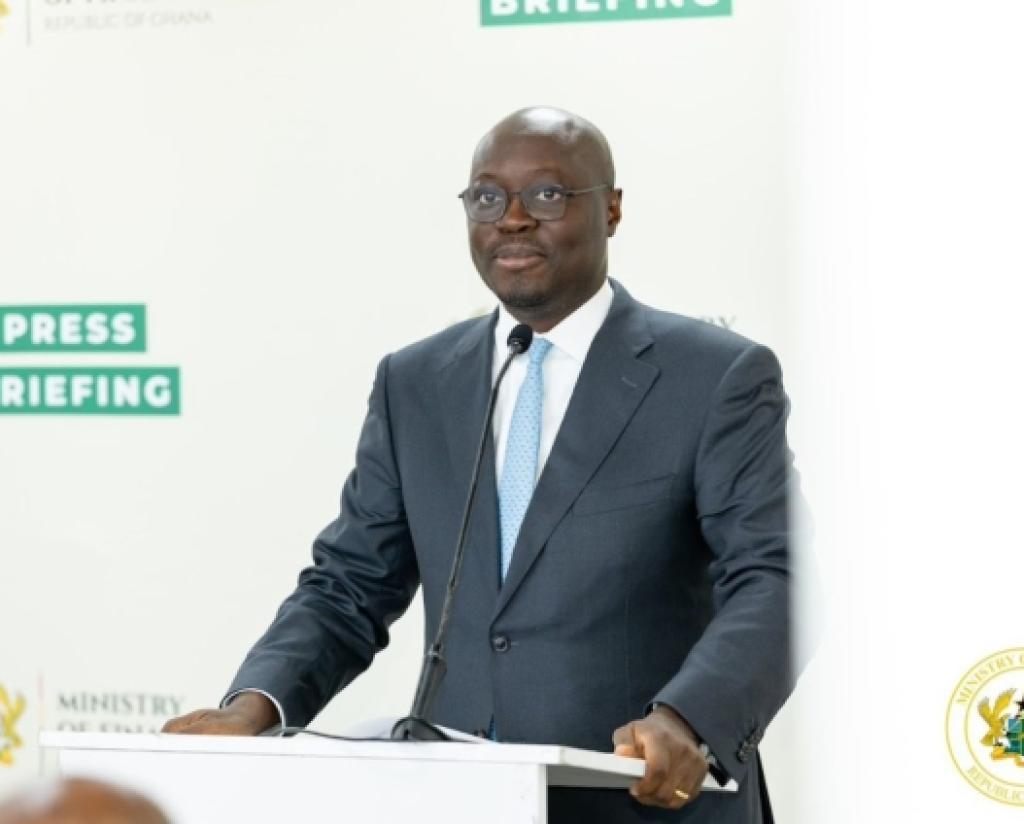
The Minister for Finance, Cassiel Ato Forson, has unveiled a new policy designed to dramatically boost local cocoa processing as part of sweeping reforms to secure the financial stability and long-term sustainability of Ghana’s cocoa industry.
Addressing a press conference yesterday, the minister announced a series of Cabinet-approved measures aimed at strengthening value addition, creating employment and shifting Ghana’s position from a major exporter of raw cocoa beans to a dominant processor of cocoa-based products.
Central to the reforms is a new financing framework that grants the Ghana Cocoa Board (COCOBOD) the authority to sell cocoa beans in any quantity directly to domestic processing companies. The change is intended to eliminate supply constraints that have previously limited local processors and to enable them to scale up production.
Cabinet has also directed that, effective immediately, the remaining cocoa beans for the 2025/2026 crop season be prioritised for domestic processing. This marks a clear policy departure from the longstanding emphasis on exporting unprocessed beans, signalling a stronger focus on retaining value within the national economy.
Looking further ahead, government has set a firm medium-term goal: beginning with the 2026/2027 crop season, at least 50 percent of Ghana’s total cocoa output must be processed locally. Officials say this target will serve as a structural benchmark to deepen industrialisation across the cocoa value chain and reduce dependence on raw exports.
As part of the rollout strategy, the state-owned Cocoa Processing Company (CPC) will be revived and repositioned as a leading cocoa processor. The move is expected to strengthen Ghana’s domestic processing capacity and enhance its competitiveness in global markets for finished and semi-finished cocoa products.
The finance minister disclosed that he and the Minister for Trade, Agribusiness and Industry recently met with local cocoa processors, who indicated they have both the capacity and willingness to process more than half of Ghana’s annual cocoa production. He said this industry readiness provides a strong foundation for the immediate implementation of the policy.
Government confirmed that agreement has been reached to operationalise the new measures without delay, underscoring its commitment to transforming the cocoa sector.
The policy is projected to spur industrial growth, boost export revenues from value-added cocoa products and create significant employment opportunities across processing, logistics and related support services.

Theme: Empowering the African Woman through the Strength of Armwrestling