Statement by the President of the Armwrestling Federation of Africa (AFA) on International Women's Day
Theme: Empowering the African Woman through the Strength of Armwrestling


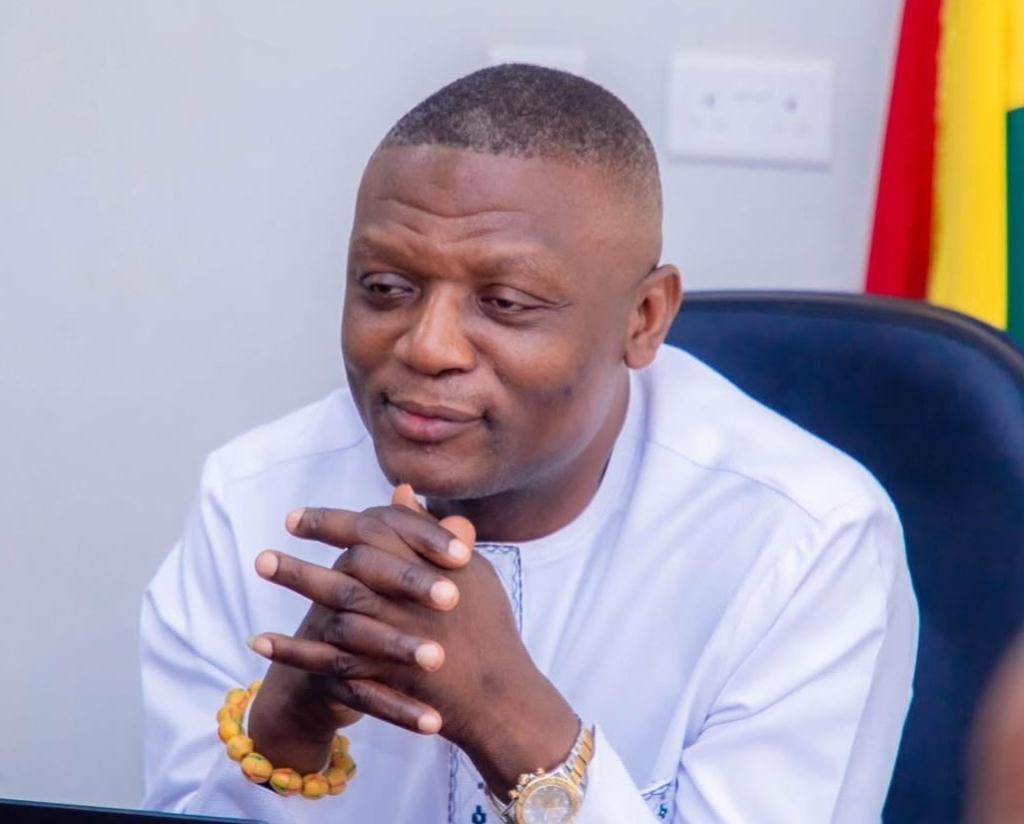
At the AIPS Africa Congress, Banjul
Banjul, The Gambia — Hon. Kofi Iddrie Adams, Minister for Sports and Recreation, Hon. Kofi Iddie Adams delivered a compelling address at the opening ceremony of the AIPS Africa Conference in Banjul, emphasizing the urgent need for Africa to transform its sports sector into a robust economic driver.
In his speech, Ho. Adams commended The Gambia for its warm hospitality and strong political support for sports, youth development, and media engagement. He highlighted the country’s efforts to strengthen sports governance through new policies and legislation, reflecting a continent increasingly committed to harnessing the power of sport for development.
“Across Africa, we recognize sport’s ability to unite communities, inspire youth, and bolster national identity,” Adams remarked. “Yet, despite this shared understanding, sport remains undervalued as a strategic economic sector.”
He pointed out that globally, sports is a multibillion-dollar industry, valued at over USD 512 billion in 2023, with projections reaching USD 624 billion by 2027. These figures are driven by deliberate investments in infrastructure, media rights, sponsorship, and digital monetization, which Africa has yet to fully capitalize on.
“Africa’s sports economy is estimated at just USD 12 to 15 billion less than 0.5% of our continent’s GDP despite representing nearly 17% of the world’s population,” Adams explained. “We export our talented athletes at low costs and consume expensive foreign sports content, yet we have the capacity to create and retain significant value here at home.”
He identified structural challenges hampering progress, including inadequate infrastructure, weak commercialization, governance issues, and barriers to intra-African mobility for athletes and fans. “Without proper organization and regional cooperation, our potential remains untapped,” he stressed.
However, Hon. Adams spotlighted inspiring examples from countries like Morocco, Rwanda, and Tanzania, which are leveraging sport for economic and diplomatic gains through strategic investments and policy clarity.
In Ghana, recent reforms aim to reposition sport as a catalyst for national development. The government’s initiatives include returning the Ghana Premier League to free-to-air television, increasing prize money, and establishing the Ghana Sports Funda permanent financing framework supporting infrastructure, grassroots programs, and athlete development.
“These efforts have already seen Ghana host 12 international sporting events in 2025, reinforcing our reputation as a reliable multi-sport destination ahead of hosting upcoming continental championships,” Adams noted.
He urged African media professionals to uphold credibility and responsible reporting, emphasizing that journalism plays a vital role in building confidence and transparency within the sports ecosystem.
“Sport is no longer just about entertainment; it’s about jobs, content, tourism, identity, and power,” he concluded. “The question is whether Africa is prepared to remove barriers, enforce frameworks, and treat sport as a production and export industry. The opportunity is ours; the responsibility is ours.”
The conference continues to serve as a platform for Africa’s sports leaders and media to chart a course toward harnessing sport’s full economic potential, ensuring long-term development and regional integration.

Theme: Empowering the African Woman through the Strength of Armwrestling